ELECTRIC FLOOR HEATING - GENERAL
Underfloor heating has been known since antiquity – the photograph shows a sample of an ancient home from the Museum in Dion, Katerini, which used fire for underfloor heating. However, it only began to spread more widely in recent decades, with demand increasing exponentially in recent years due to the low installation cost of the system, which has come to rival the installation of radiators.
Electric underfloor heating warms the entire floor surface evenly, ensuring a balanced distribution of heat in the room with high speed and precision, without drying out the air. It is suitable for heating any space either independently or in combination with other systems (e.g. radiators).

The advantages of electric underfloor heating compared to other heating methods are:
Uniform temperature distribution across rooms.
Absolute hygiene as there is no air movement or annoying dust.
The floor is comfortably warm in winter or cool in summer, offering ideal conditions of comfort and well-being.
Complete freedom in the layout and decoration of the home.
Space saving by avoiding radiators.
Low height - ideal for renovations.
Easy and quick installation.
Very low operating cost - can be used in combination with alternative energy sources such as solar collectors/photovoltaics.
Its disadvantages are:
Need for a specialized designer – installer.


SYSTEM DESCRIPTION
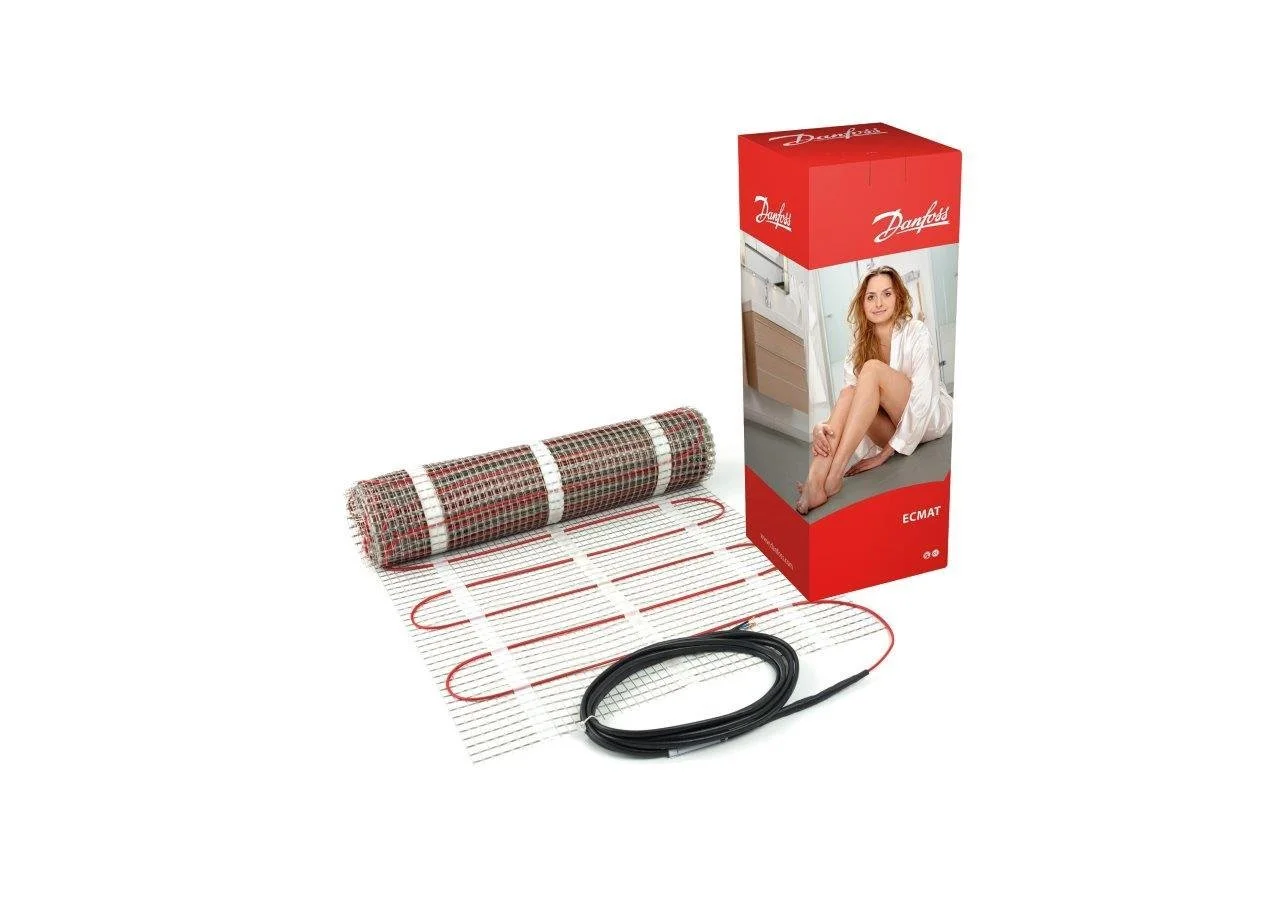
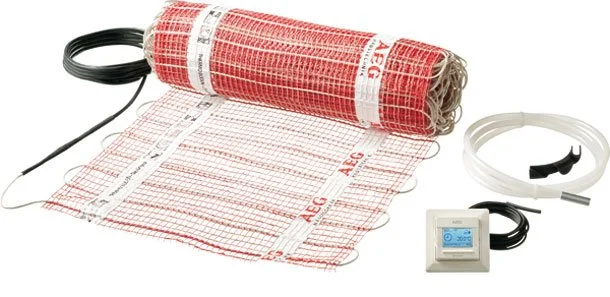
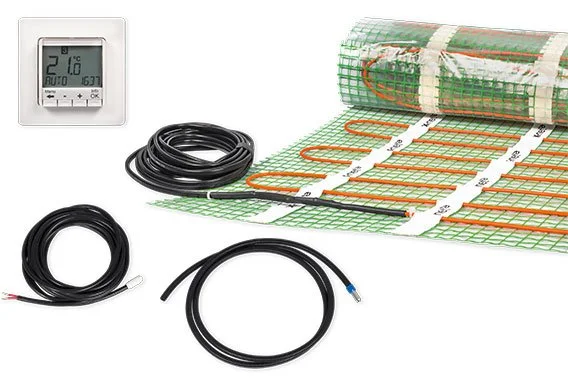
The installation of electric underfloor heating is carried out with the option of using 2 different systems, either with electric heating cables or with an electric heating mat.


· CONSTRUCTION
Electric underfloor heating is installed after the plastering and before the final floor coverings.
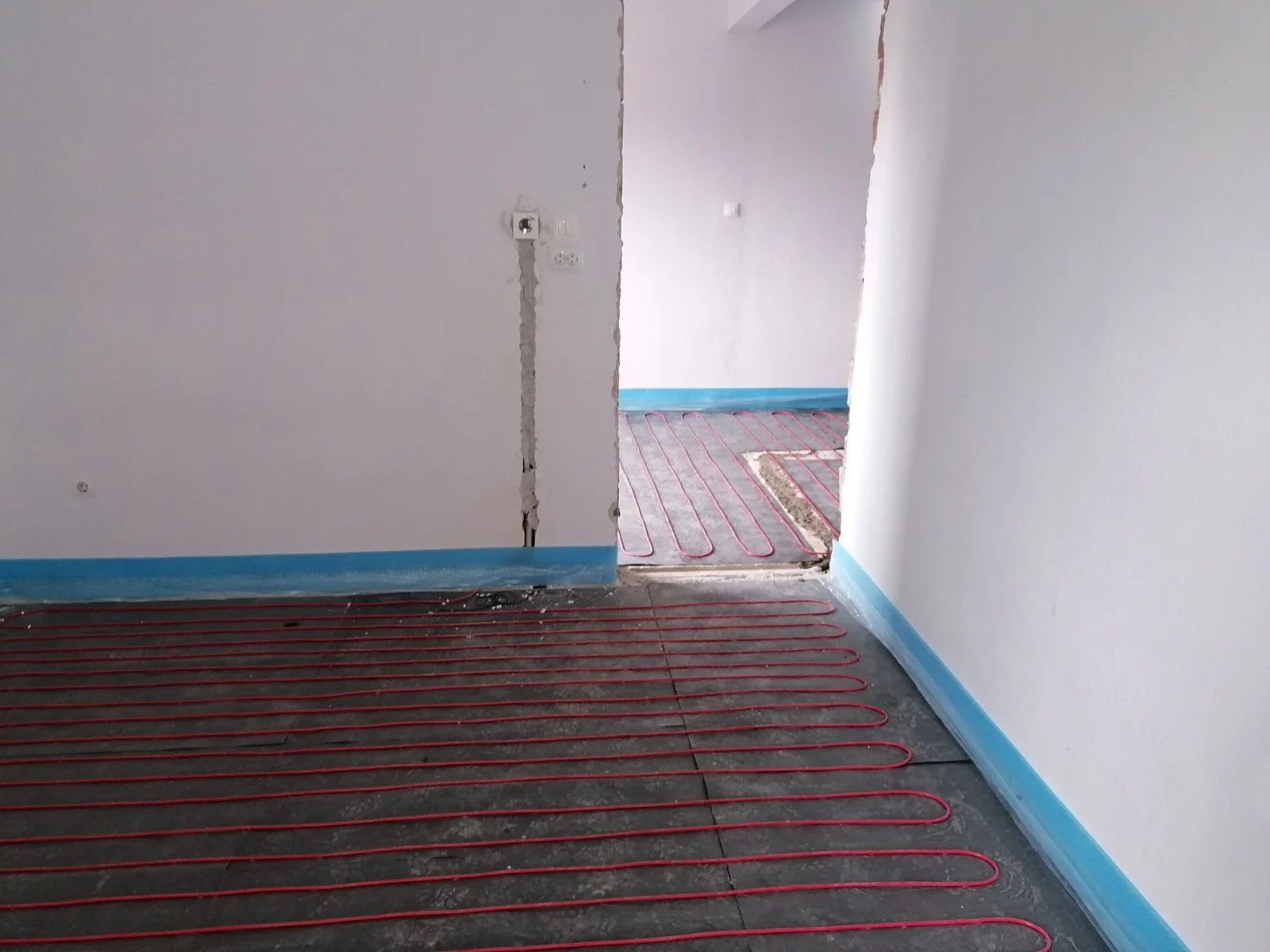
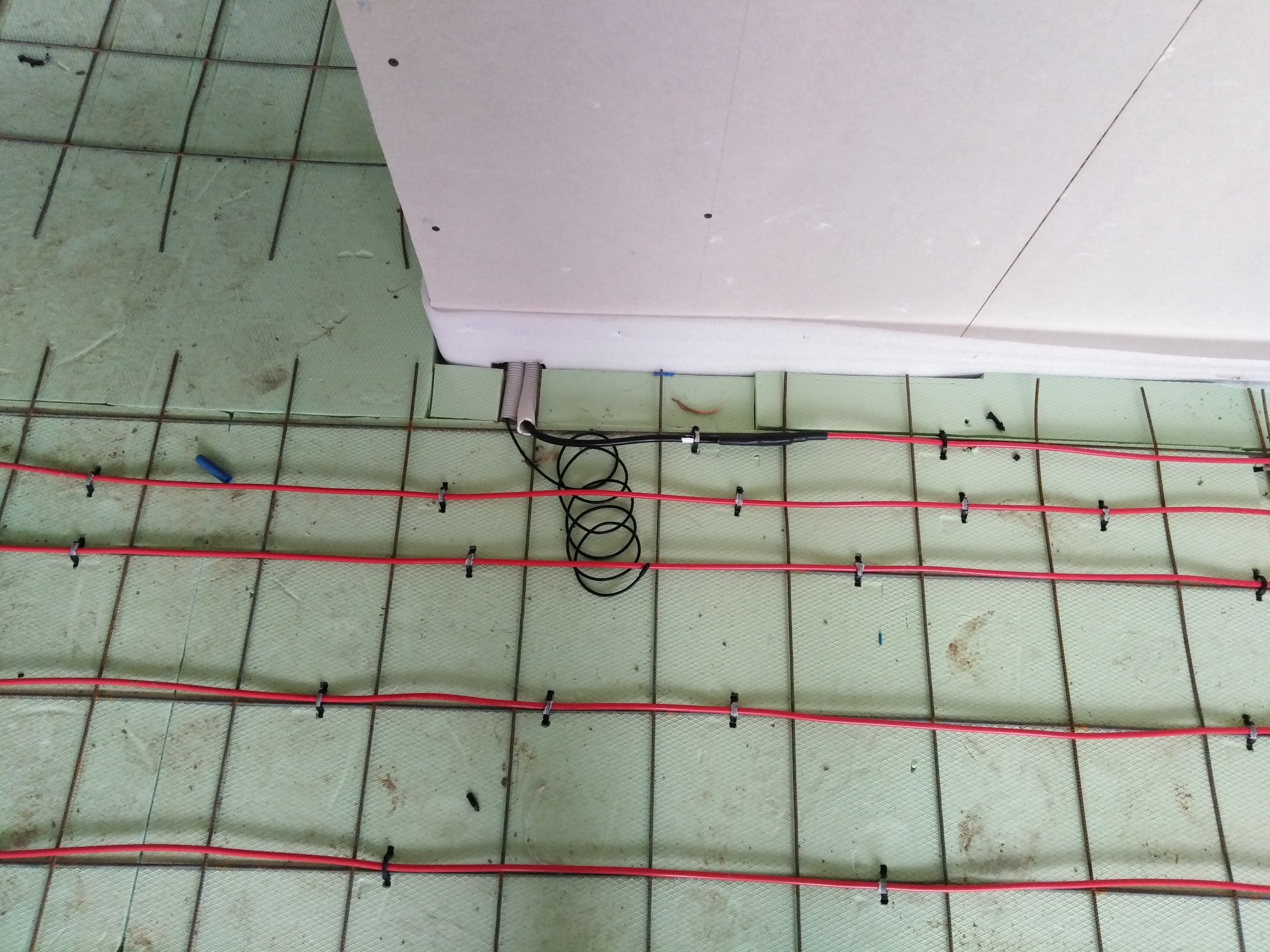
In the areas where it will be installed, insulation boards and wall insulation tape are initially placed. Next, the cable or mesh is laid out and secured with brackets, in accordance with our study, so that during heating, the thermal needs of each space are covered.
Immediately after installation, they are covered with cement mortar (during the period they are still uncovered, we must avoid using the floor for heavy work). We consider the cement mortar to have dried after a period of one week. Before this period passes, starting the operation of the thermal cables is prohibited.
Then, the floor is ready to receive the final covering (marble, tiles, wood, etc.).
The installation method of the final flooring on the screed depends on its type. Special care is required when installing glued wooden flooring and marble. The flooring installer must certify the natural drying of the screed and the absence of moisture before proceeding with the installation.
The wooden flooring to be installed must be certified for use with underfloor heating.
The installation of underfloor heating with a nailed wooden floor is carried out after the installation of the floor framework by your installer.


· ELECTRIC UNDERFLOOR HEATING WITH SOLAR COLLECTORS - PHOTOVOLTAICS
FREE HEATING FROM THE SUN!!!
The combination of solar collector and photovoltaic installations with electric underfloor heating can significantly reduce or even eliminate the annual heating costs for your property!!!
The installation of a photovoltaic system is a profitable investment, with a fast payback period and profits for many years! The installation cost is paid off in about 2-4 years, and we make a profit for the next 16-18 years by offsetting its output with our electricity consumption. With a proper study, we can even completely eliminate our annual electricity bill!


· Our partners…


· Some of our products - projects…